SUPPORTING THE PROFESSIONALS WHO WORK WITH DEAF CHILDREN
NEWS AND EVENTS

Supporting the teachers of tomorrow
We have recently delivered training to students on the Deaf Education MA/PGDip at the University of Birmingham. Our team of Education Advisors, Technology Consultants and our Audiologist were delighted to be part of the residential weekend for Year 1 and Year 2 students, studying for the mandatory qualification to become a Qualified Teacher of Deaf…Explore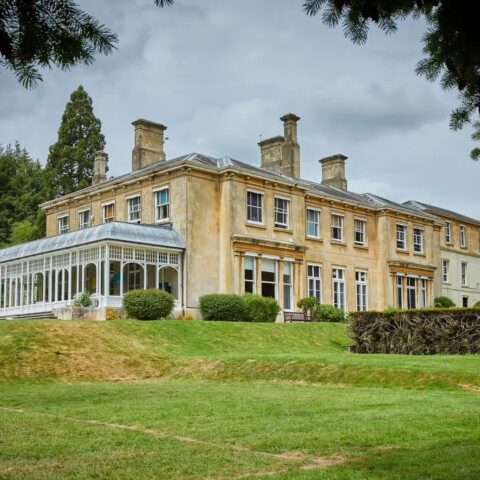
Happy 50th Anniversary to BATOD
Thank you to everyone who visited our stand at the National Conference of the British Association of Teachers of Deaf Children and Young People (BATOD) at Mary Hare School on 24th and 25th April. It was wonderful to have the opportunity to share news of our hearing technology and education support, training and free online learning opportunities, free resources and scholarships with you. We…Explore
Join NatSIP’s discussion about the Schools White Paper
Our friends at the National Sensory Impairment Partnership (NatSIP) are pleased to announce that their online discussion event on 5th May is now open for booking. During the event, colleagues will hear from the Department for Education and other speakers about the proposals in the Schools White Paper. They will also receive feedback from specialist partners…Explore
Sign up for See It Be It!
Thank you to everyone who joined our recent webinar with Rebecca Atkinson and Karen Newell, co-founders of arts and play organisation Toy Like Me. Rebecca is also the creator and Executive Producer of the pre-school animation series Mixmups (Milkshake, Channel 5). During this twilight session, Rebecca and Karen introduced two fantastic new resources for Teachers of…Explore
Please nominate us to win £1,000!
Please nominate us in Benefact's Movement for Good 2026. Over the year, Benefact will be giving away gifts of £1,000 to hundreds of charities. We hope you'll help us to be one of them! The more nominations we get, the greater our chance of winning, so please spread the word to your friends and family.…Explore
A playful approach for autistic children
Thank you to everyone who attended our special conference on autism at the Edgbaston Park Hotel Conference Centre (pictured) in Birmingham on 4th March: A playful approach for autistic children – presented by Neil Stuart (Autism New Zealand) and Alison Taylor (Bishop Grosseteste University) Our training day was built around the work of Autism New Zealand. It…Explore
First breakfast bite-size training session of 2026
Thank you to everyone who attended our first bite-size session of 2026! These free 30-minute online presentations, which fit conveniently in with you busy day, have become one of our most popular services. On 5th February, we were delighted to be joined by Noel Kenely, Senior Auditory Verbal Therapist and London Clinical Lead at Auditory…Explore
Supporting the medical innovators of the future
We are delighted to announce that Ewing Foundation is now a partner on the brand-new MSc course on Medical Technology, Innovation and Design at the University of Southampton's School of Healthcare Enterprise and Innovation starting in September 2026. We will be providing mentorship, technology insight, knowledge on working within the charity sector, and sharing our…Explore
Happy New Year
Wishing all of our Ewing Foundation family and friends a Happy New Year! Thank you so much for all your support over the last year. We look forward to working with you in 2026!ExploreABOUT THE EWING FOUNDATION
We are a national charity, promoting inclusion and achievement for deaf children through listening and speaking. Our team of Education Advisors and Technology Consultants support professionals in acquiring the skills and confidence needed to help deaf children use their residual hearing, access technology and develop natural spoken language. We work with teaching staff, schools, services and resource bases. Please browse our pages to learn more about the Ewing Foundation, our work and how to contact us.
Due to charitable support, we are able to offer our services at a subsidised rate. If you can support us with a gift, please click here. Thank you.
Our history
Ewing Foundation was established by construction businessman Malcolm McAlpine and his wife Sheila in 1952. We are named after the eminent audiologists Sir Alexander and Lady Irene Ewing. The Ewings were of enormous help to the McAlpines when their eldest son was born profoundly deaf in 1944.
The McAlpines established and supported the foundation so that other deaf children and families could benefit from the expertise and legacy of the Ewings. The charity is now chaired by their youngest son Hamish.
‘The Ewings were ambassadors who made a difference,’ says Professor Kevin Munro, Ewing Professor of Audiology at University of Manchester. ‘They recognised the importance of early identification and intervention, and of early involvement of the family. They were hugely influential and their impact is recognised throughout the world.’
Today, our team of Education Advisors and Technology Consultants work with deaf children and their teachers in the classroom. We ensure that hearing technology is working correctly, and that students and teachers can communicate effectively with one another. Please contact us if you have any questions.
Find out more about Ewing Foundation’s work and origins at The University of Manchester:
Stay Connected With Ewing Foundation
Receive occasional newsletter updates about our work, the impact it’s having, and how you can get involved.